Edison Systems Limited logo
Solar panels on a residential rooftop

Blog & Insights

Expert answers on safety, security and solar

Practical guidance from the engineers who design, install and maintain these systems every day.

Knowledge Hub

Questions our clients ask us

Straight answers on fire protection, CCTV and security, and solar energy — based on real installations across Kenya.

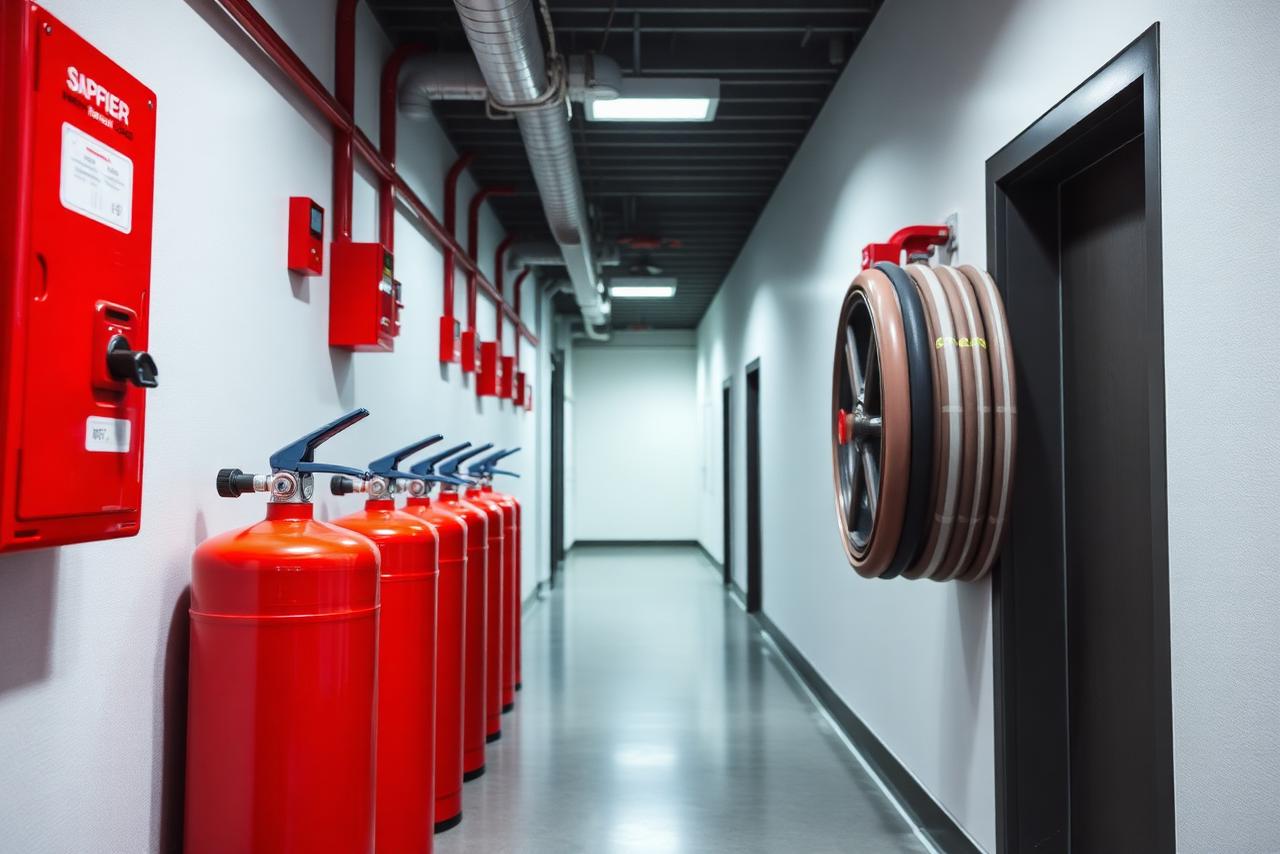
Fire extinguisher being inspected by a technician

How often should fire extinguishers be serviced in Kenya?

Fire extinguishers should be visually inspected monthly and professionally serviced at least once every six months. During a professional service, our technicians check the pressure gauge, examine the cylinder for corrosion or damage, verify the discharge hose and nozzle are clear, confirm the safety pin and tamper seal are intact, and weigh the unit to ensure it retains its full charge. Extinguishers also require an extended overhaul or hydrostatic test at intervals specified by the manufacturer — typically every five years for most types. Regular servicing is not just best practice; it is a compliance requirement for commercial premises under Kenyan fire safety regulations and insurance policies. Edison Systems offers quarterly and semi-annual inspection programmes with documented service records so your premises stay audit-ready.
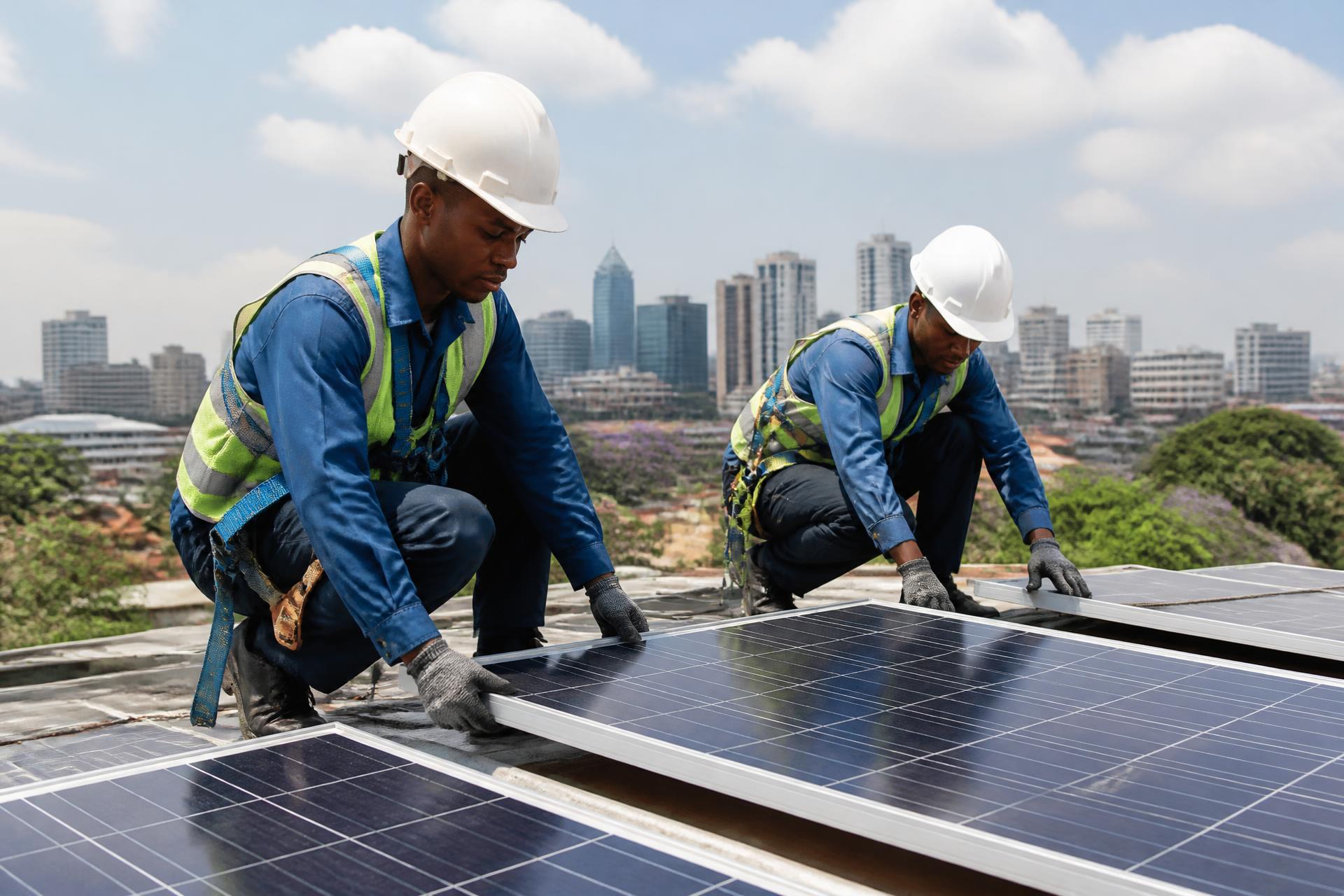
Rooftop solar panel installation on a residential building

What size solar system does a typical Kenyan home need?

The right system size depends on your daily energy consumption, which we measure in kilowatt-hours (kWh). A small home running lights, a TV, a fridge and a few devices typically needs a 1–3 kVA system. A medium household with additional appliances such as a washing machine, water pump or electric kettle usually requires 3–5 kVA. Larger homes or small businesses running air conditioning, multiple fridges or heavy equipment may need 5–10 kVA or more. Battery bank sizing matters just as much as panel capacity — it determines how long you can run through the night or during cloudy days. At Edison Systems we start with a free energy audit of your premises, then design a system rated from 500VA up to 30KVA that matches your actual load profile, roof space and budget, with room to expand later.

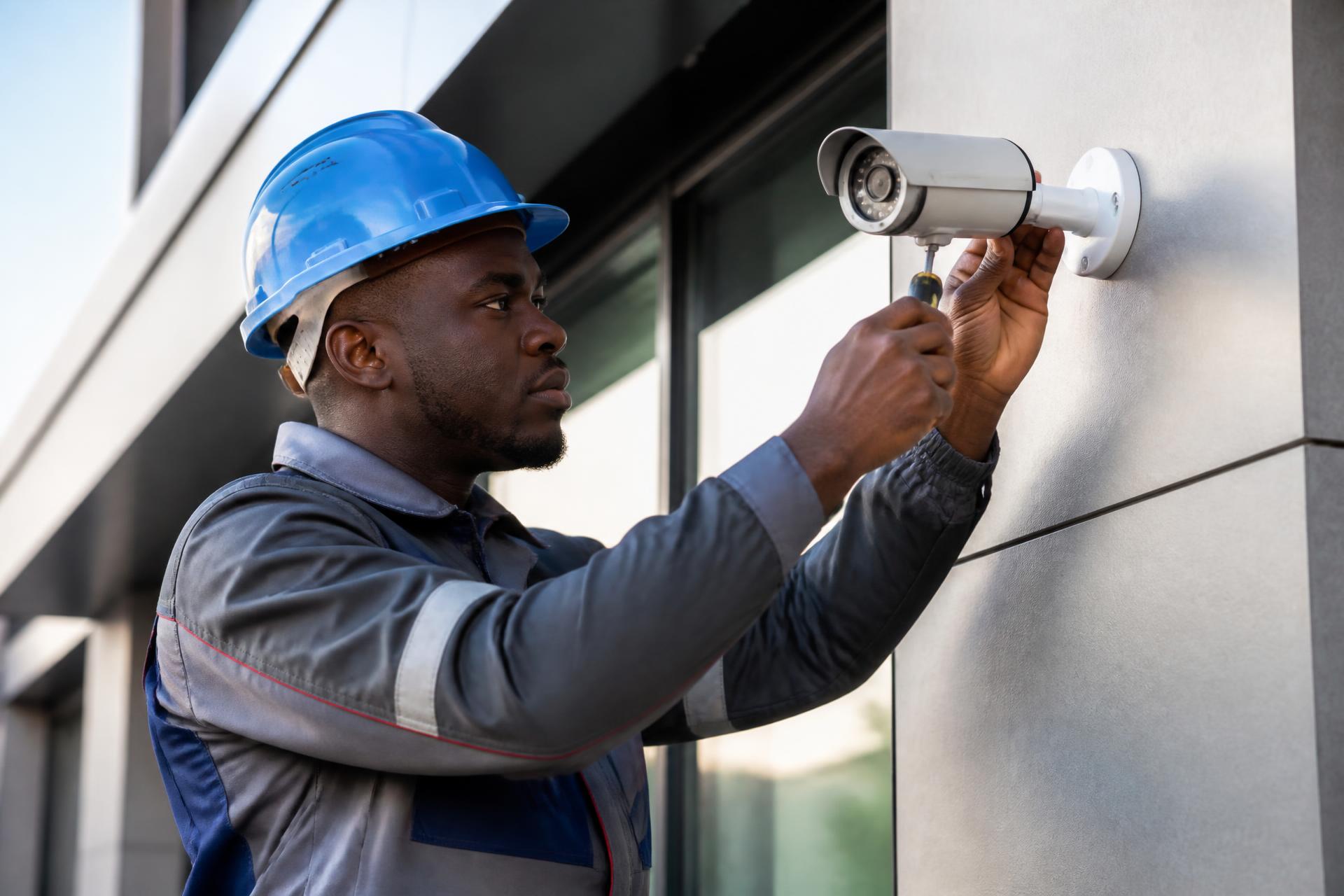
CCTV camera installed in a monitored commercial building

Should I choose a wired or wireless CCTV system for my business?

Both have their place. Wired (IP or analogue over coaxial) CCTV systems offer the most reliable connection, consistent image quality and immunity to Wi-Fi interference — ideal for permanent installations in offices, warehouses and industrial sites. Wireless cameras are faster to install and flexible to reposition, making them suitable for rented premises or temporary coverage, but they depend on a strong network and can suffer dropouts. For most commercial clients we recommend a hybrid approach: wired cameras covering critical fixed points such as entrances, cash-handling areas and server rooms, with wireless units where cabling is impractical. Whichever you choose, we integrate recording, remote viewing on your phone, and backup power so your surveillance keeps running even during outages.

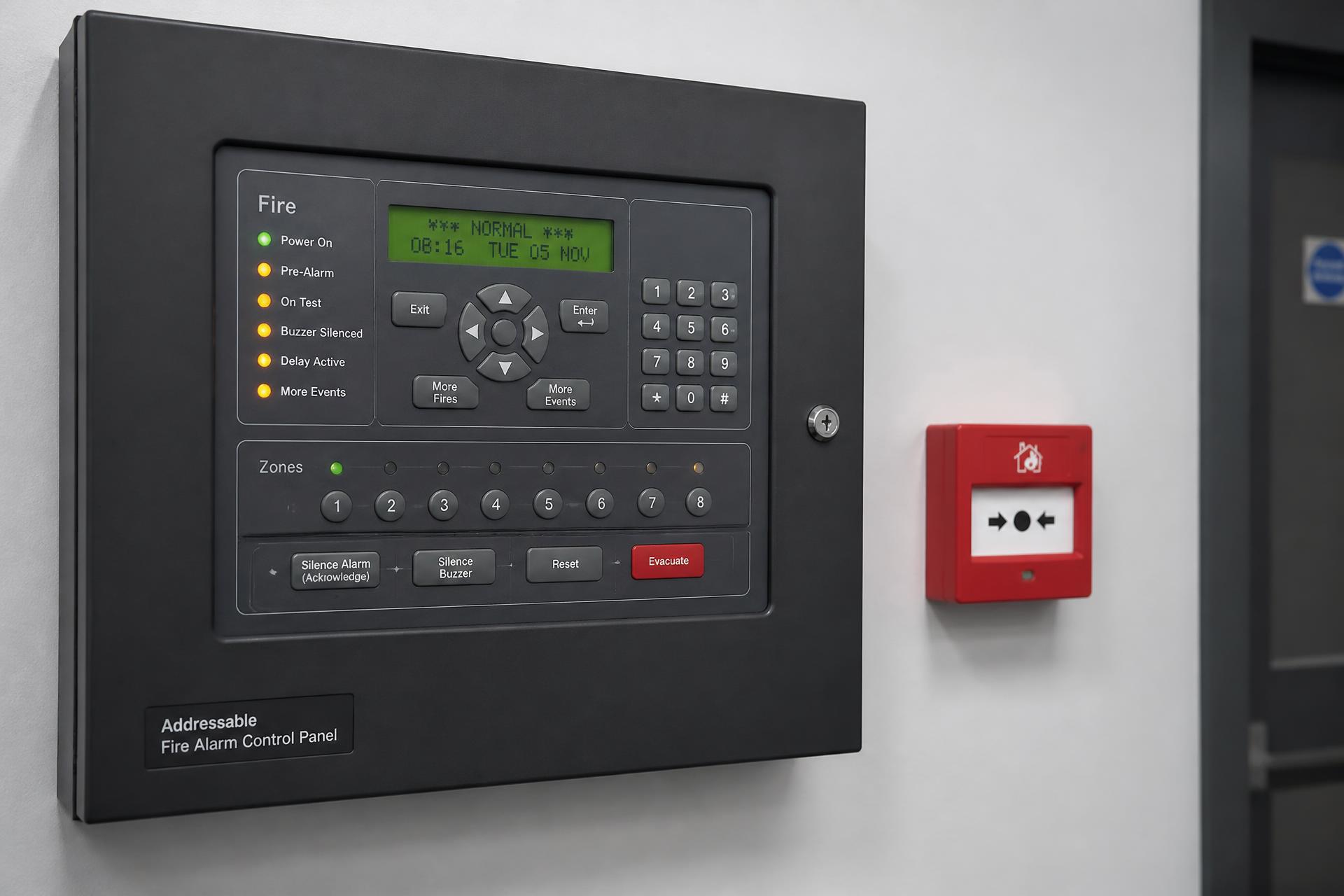
Fire detection and alarm control panel being commissioned

What is the difference between conventional and addressable fire alarm systems?

A conventional fire alarm system divides your building into zones; when a device activates, the panel tells you which zone the fire is in, but not the exact device. This is cost-effective for small premises. An addressable system gives every detector and call point a unique address, so the panel pinpoints the exact location of an activation — critical in large buildings, hospitals, schools and hotels where response time matters. Addressable panels also support cause-and-effect programming, such as automatically closing fire doors, shutting down air handling units or triggering suppression systems, and they reduce false alarms through intelligent sensitivity settings. Edison Systems designs, installs and commissions both types and can advise which is right for your building size, occupancy and regulatory obligations.

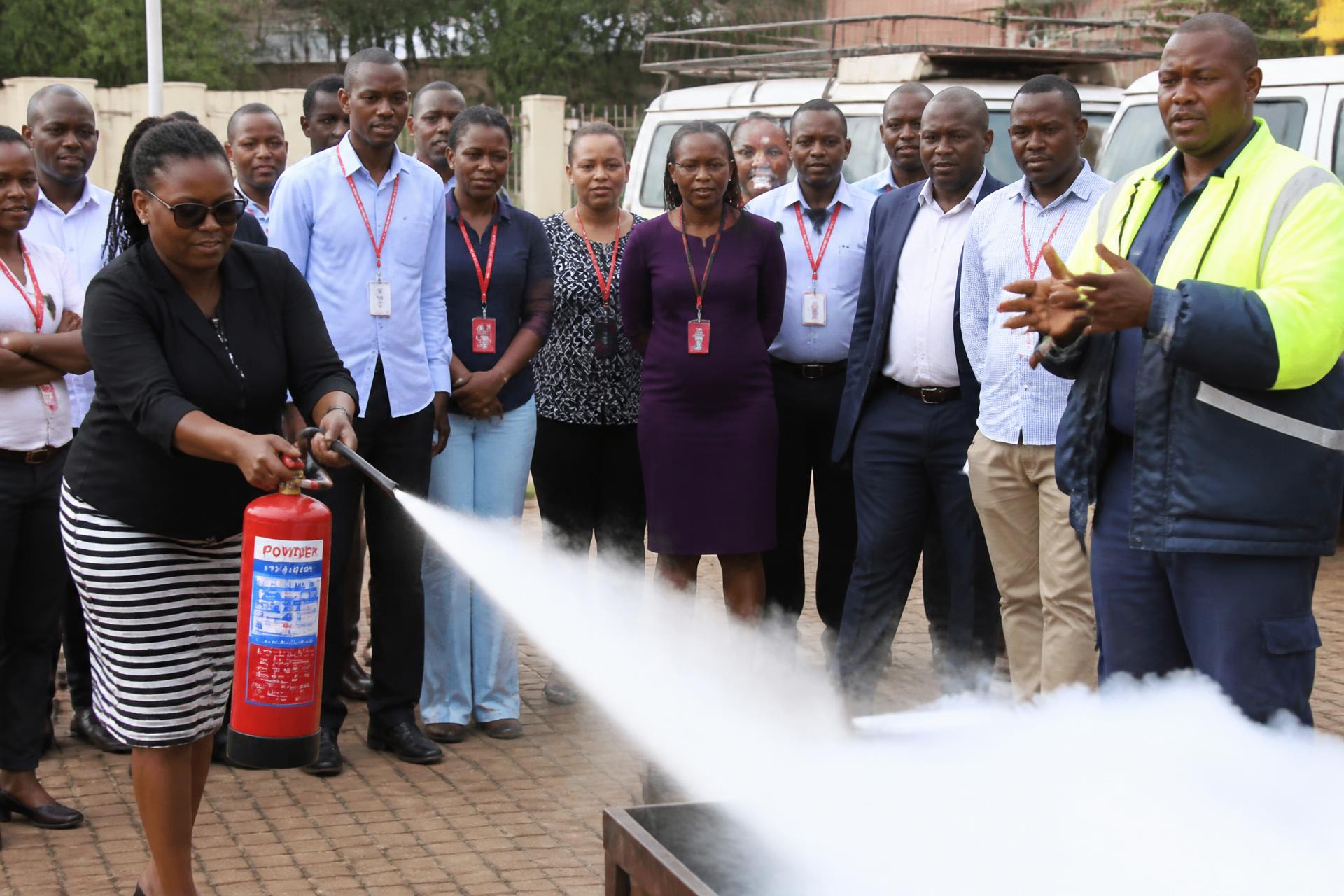
Staff practising extinguisher use during fire safety training

Does my business legally need fire safety training for staff?

Yes. Under the Factories and Other Places of Work (Fire Risk Reduction) Rules and county fire safety requirements in Kenya, employers must ensure staff are trained in fire prevention, evacuation procedures and the use of firefighting equipment. Insurers increasingly demand documented training as a condition of cover. Practical training pays off: staff who have discharged a real extinguisher respond faster and more calmly in an emergency. Edison Systems delivers fire safety awareness sessions, certified fire marshal courses and live evacuation drills at your premises, tailored to your specific risks — kitchens, server rooms, flammable stores and more — with certificates and records you can present during audits.

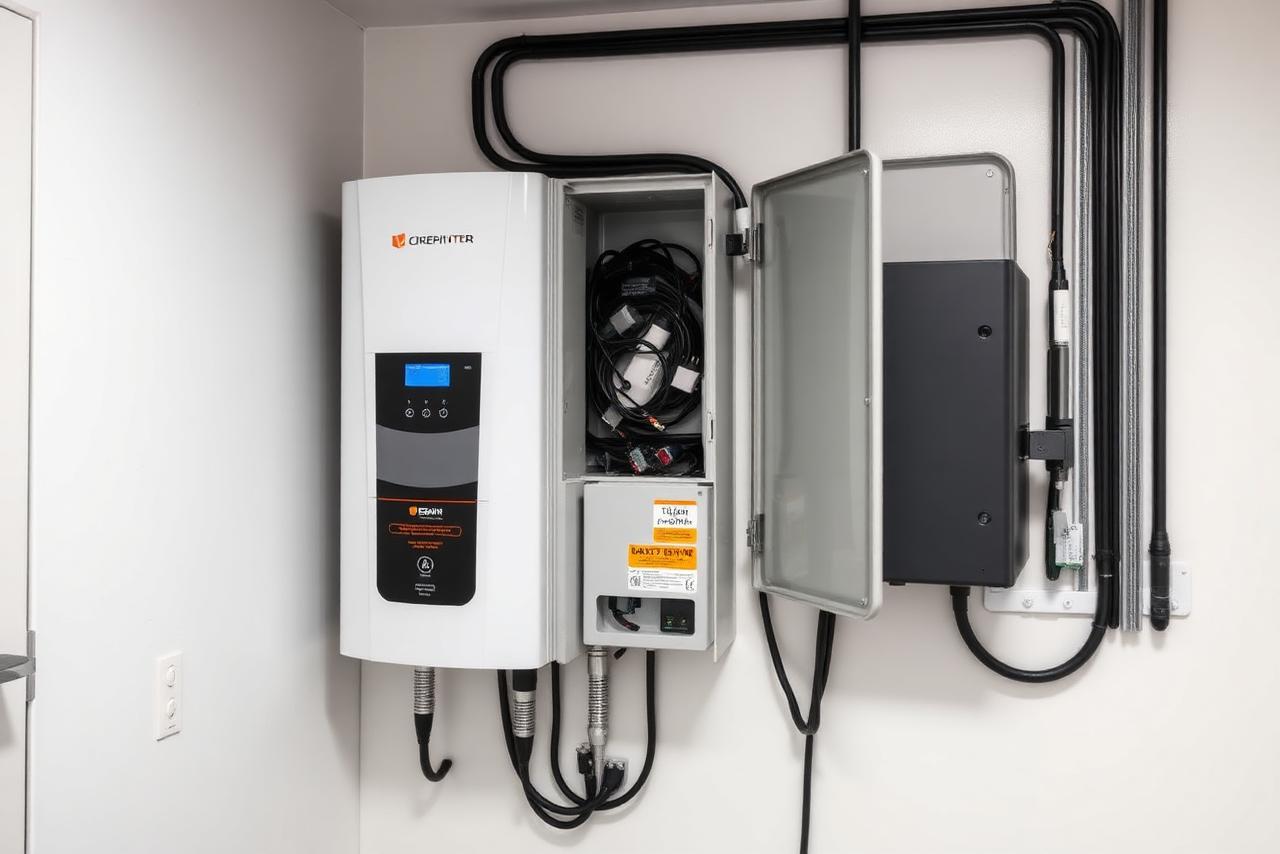
Solar battery bank and inverter installation

Can solar power run my borehole pump or heavy equipment?

Absolutely — with the right design. Borehole pumps, posho mills and workshop machinery draw high starting (surge) currents, often three to five times their running load. The inverter and battery bank must be sized to absorb that surge without tripping. For boreholes, we often recommend solar water pumping controllers that run the pump directly from panels during daylight, storing water rather than energy — the most cost-effective approach. For workshops and light industry, a hybrid system combining solar, battery storage and grid or generator backup keeps production running through outages and cloudy spells. Our engineers will assess your equipment's power ratings and duty cycles, then design a system that delivers reliable power without over-specifying and inflating cost.