Fire Protection
Fire Suppression Systems
Protect what matters. Control fire before it spreads.
Edison Systems Limited designs, supplies, installs, commissions and maintains engineered fire suppression systems across Kenya. We provide water-based, gas-based, foam-based, dry powder and wet chemical suppression solutions selected according to the specific fire hazard, environment, occupancy and protection requirements of each facility.
What Is a Fire Suppression System?
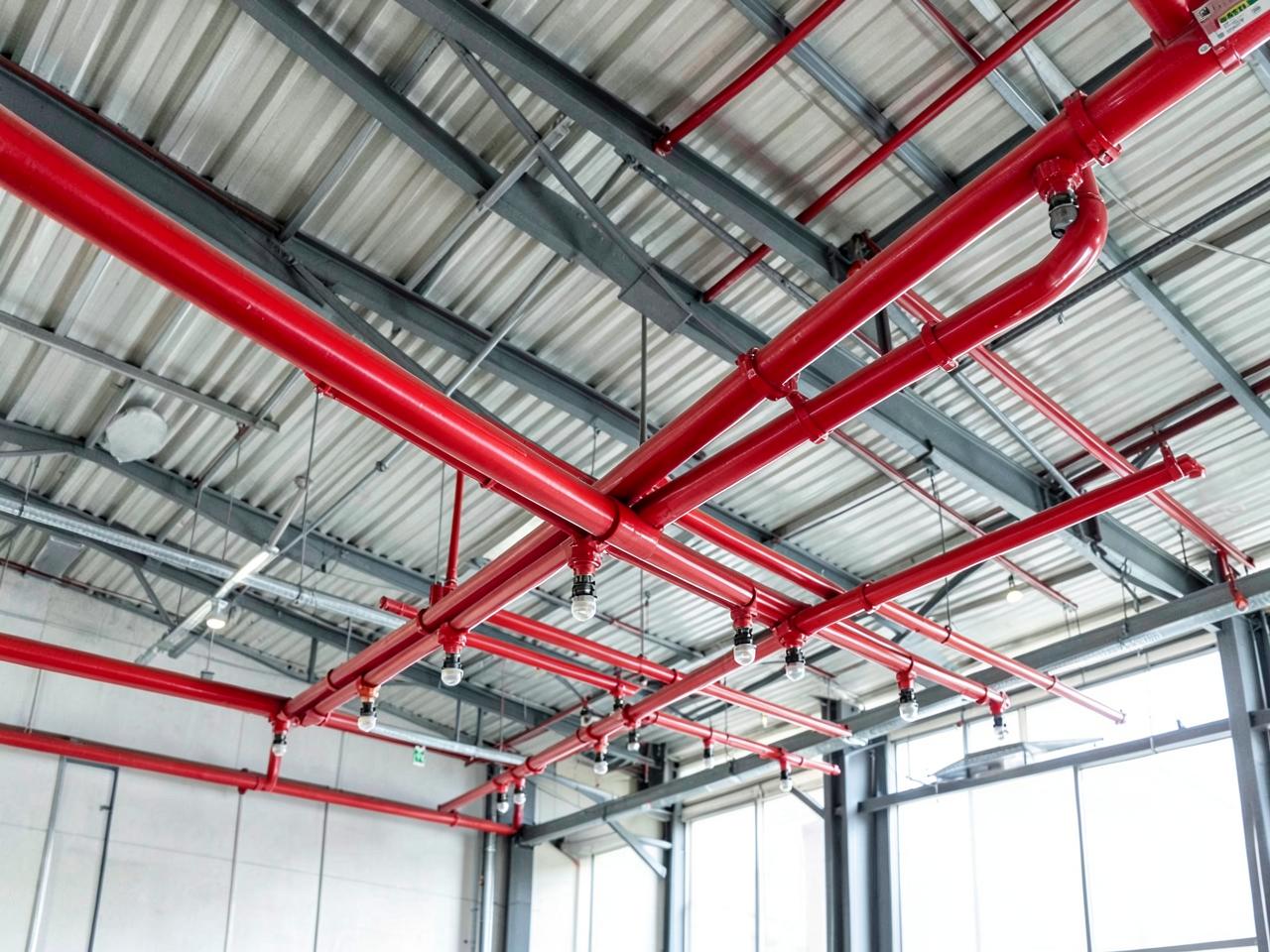
A fire suppression system is an engineered system designed to detect or be activated by a fire condition and then control, contain or extinguish the fire using an appropriate extinguishing agent.
Depending on the design, a system may operate automatically on detection or be released manually. Where required, suppression systems are integrated with fire detection and alarm systems so that activation, pre-discharge warning and cause-and-effect functions work together in the correct sequence.
This service forms part of our wider Fire Protection Services.
Suppression technologies
Fire Suppression Systems We Provide
Water-Based Fire Suppression Systems
Sprinkler and water-based suppression solutions that control or extinguish fire by discharging water over the affected area.
Typical applications: Commercial buildings, institutional facilities, warehouses and industrial premises.
Gas-Based Fire Suppression Systems
Clean agent, CO₂ and inert gas systems that suppress fire without leaving water or powder residue on sensitive equipment.
Typical applications: Data centres, server rooms, control rooms, electrical and generator rooms.
Foam Fire Suppression Systems
Foam-based suppression that blankets the fuel surface to control selected flammable liquid and industrial fire hazards.
Typical applications: Fuel storage areas, flammable liquid handling and selected industrial processes.
Dry Powder Fire Suppression Systems
Rapid suppression using dry chemical or specialist powder agents for selected industrial and specialised hazards.
Typical applications: Industrial plant, specialised machinery and specific high-risk process areas.
Wet Chemical Fire Suppression Systems
Kitchen suppression engineered for cooking oil and fat fires, protecting cooking equipment and extraction hoods.
Typical applications: Hotels, restaurants, hospitals, schools and commercial catering kitchens.
Gas systems
Gas Fire Suppression Systems in Kenya
Gas suppression is used where water or powder could damage sensitive equipment, or where a specialised hazard requires a different extinguishing approach.
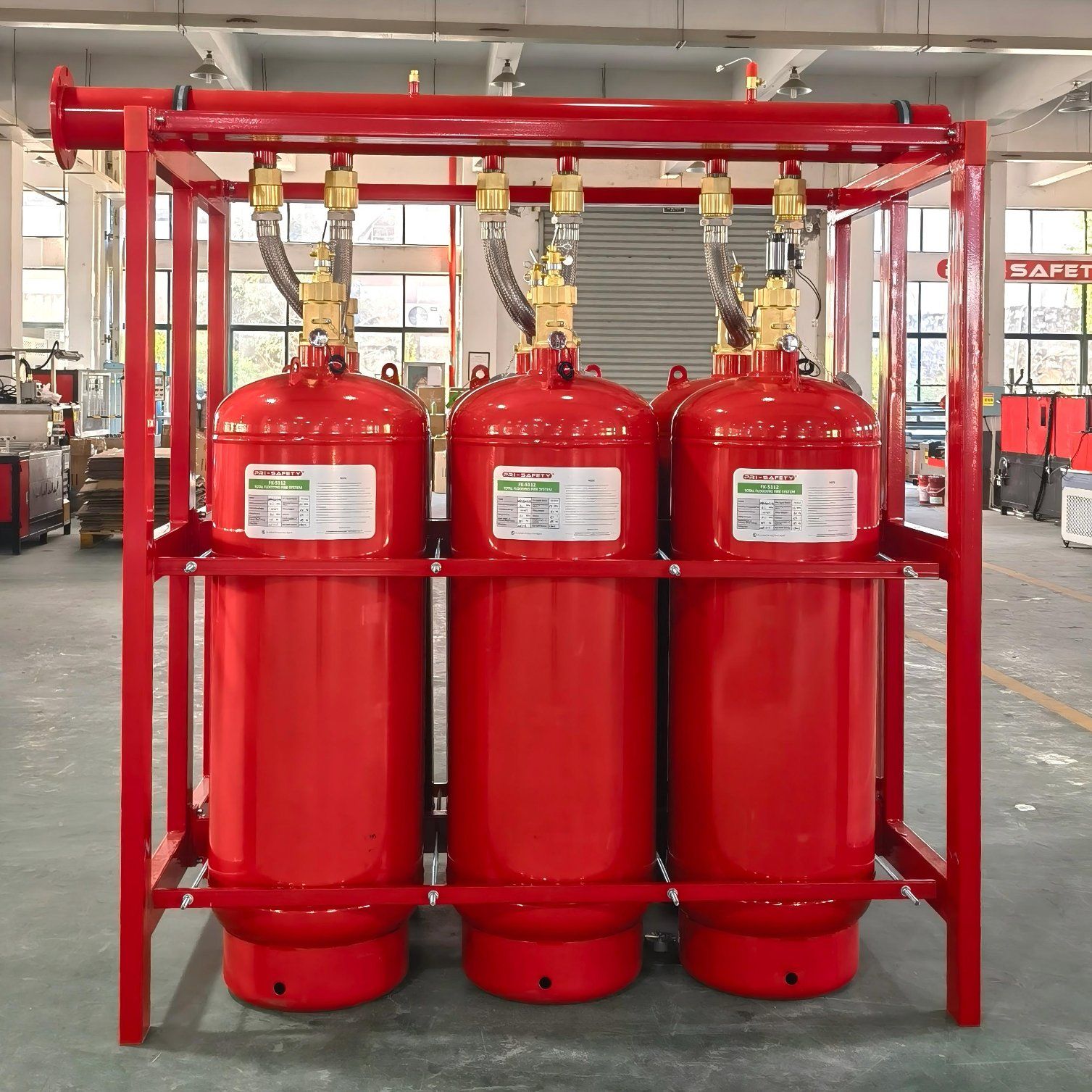
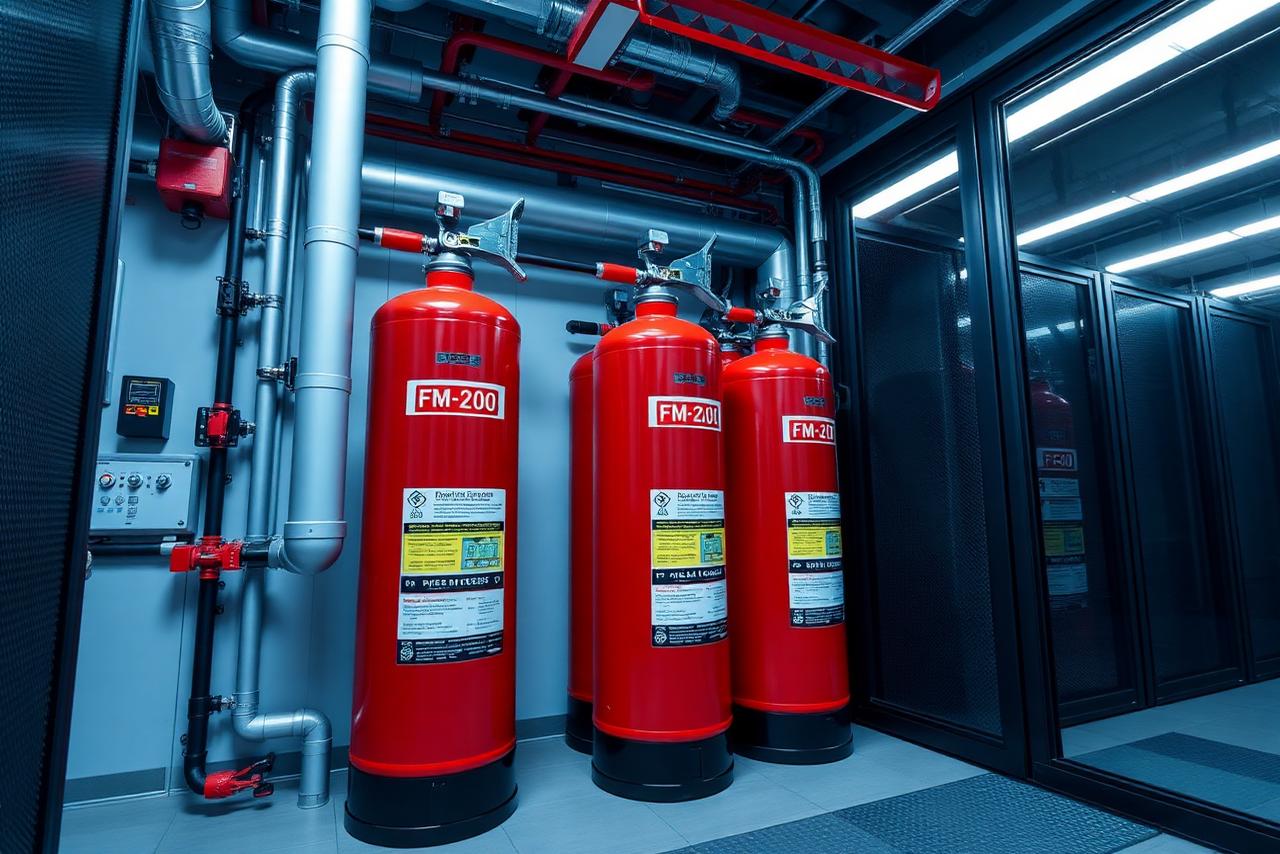
FM-200 / HFC-227ea Clean Agent Suppression
Clean agent suppression suited to enclosed environments containing sensitive equipment. It leaves no water or powder residue after discharge.
- Data centres
- Server rooms
- Control rooms
- Telecommunications
- Electrical equipment rooms
CO₂ Fire Suppression
CO₂ systems suppress fire by reducing the oxygen concentration within the protected area, making them suitable for specialised industrial hazards.
- Generator rooms
- Engine rooms
- Electrical equipment
- Paint spray areas
- Industrial machinery
CO₂ can be hazardous to life at extinguishing concentrations. Systems are designed with appropriate pre-discharge warnings, time delays, safety controls, signage and safeguards where applicable.
Inert Gas Suppression
Inert gas systems provide clean, residue-free suppression for sensitive equipment and enclosed environments. System selection depends on the hazard and the enclosure requirements of the protected area.
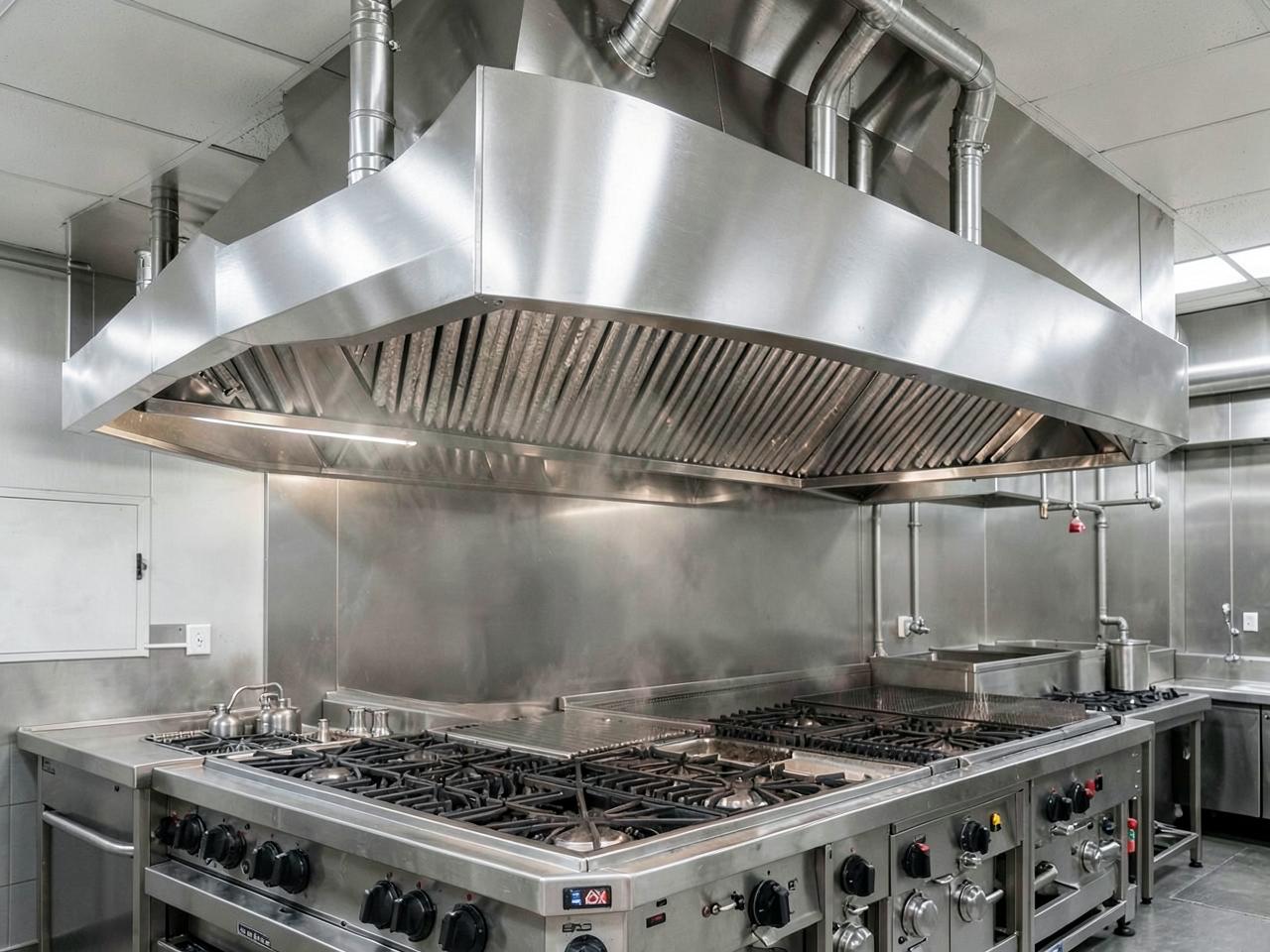
Kitchen Hood Fire Suppression Systems
Commercial kitchens carry specific fire risks from cooking oils and fats, which burn at high temperatures and can re-ignite after an initial knock-down. Wet chemical suppression is engineered for exactly this hazard.
- Wet chemical extinguishing agent
- Protection of cooking equipment
- Extraction hood and duct coverage
- Heat detection and activation
- Agent discharge through fixed nozzles
- Fire suppression and cooling
- Prevention of re-ignition
- Fuel or gas shut-off where designed
- Fire alarm interface where applicable
Applications
Hotels, restaurants, hospitals, schools, institutional kitchens and commercial catering facilities.
Process
How Fire Suppression Systems Work
- 01
Fire / Hazard Detection
Detectors, fusible links or manual release identify the fire condition.
- 02
System Activation
The release or control unit activates the system automatically or manually.
- 03
Agent Discharge
The extinguishing agent is discharged through the designed pipework and nozzles.
- 04
Fire Control or Extinguishment
The agent controls, contains or extinguishes the fire in the protected area.
- 05
Alarm & Safety Functions
Warning devices, time delays and shut-off functions operate where designed.
“Fire detection identifies the danger. Fire suppression takes action against the fire.”
Fire Suppression System Design & Engineering
Every suppression system must be designed around the actual hazard, the protected area and the way the facility operates.
- Hazard assessment
- System selection
- System sizing
- Hydraulic calculations for water-based systems
- Agent quantity calculations for gas systems
- Fire alarm integration
- Water supply assessment
- Protected-area and enclosure considerations
Installation, Testing & Commissioning
From site assessment through to handover, each stage is carried out and verified by our technical team.
- Site assessment
- System design
- Equipment and component supply
- Professional installation
- Pipework installation
- Discharge network installation
- Control and release systems
- Fire alarm integration where applicable
- Testing
- Functional verification
- Commissioning
- Client handover
Maintenance & Servicing
Suppression systems must remain operational and ready for use throughout their service life.
- System inspection
- Detection and activation checks
- Control panel checks
- Cylinder and agent checks where applicable
- Pipework and valve inspection
- Sprinkler inspection
- Nozzle inspection
- Pressure checks
- Functional testing
- Alarm interface testing
- Fault diagnosis
- Repairs
- Component replacement
- Recommissioning
- Maintenance reporting
Maintenance frequency depends on the system type, manufacturer requirements, applicable standards and site conditions.
Who we serve
Fire Suppression Solutions for Different Facilities
- Commercial Buildings
- Hotels & Hospitality
- Industrial Facilities
- Warehouses
- Data Centres & Server Rooms
- Electrical & Control Rooms
- Commercial Kitchens
- Institutional Facilities
What we do
Our Fire Suppression Services
Assessment & Design
Hazard assessment and engineered suppression system design based on the actual risk and protected area.
System Supply
Supply of suppression cylinders, agents, valves, nozzles, pipework, detection and release components.
Installation
Professional installation of suppression pipework, discharge networks, control and release equipment.
Testing & Commissioning
Functional testing, verification and commissioning of the system before handover.
Maintenance & Servicing
Planned inspection, testing and servicing to keep suppression systems ready for use.
Troubleshooting & Repair
Fault diagnosis, repair and component replacement on suppression systems and controls.
Upgrades & Modifications
System extensions, modifications and upgrades as facilities and hazards change.
System Integration
Integration with fire detection and alarm systems for activation, warning and cause-and-effect functions.
Why Edison Systems
Why Choose Edison Systems for Fire Suppression?
01
Complete Fire Suppression Expertise
Suppression systems handled from hazard assessment and design through to servicing.
02
Multiple Suppression Technologies
Water, gas, foam, dry powder and wet chemical suppression under one technical team.
03
Hazard-Based System Selection
Systems selected around the actual hazard, environment, occupancy and protection requirement.
04
Professional Installation
Careful pipework, nozzle placement, control and release installation by experienced technicians.
05
Testing & Commissioning
Systems are tested, verified and commissioned before handover.
06
Lifecycle Support
Maintenance, troubleshooting, repair and upgrades throughout the life of the system.
Understanding the difference
Fire Suppression vs Fire Detection & Alarm
The two systems serve different purposes and, where appropriate, work together as part of one fire strategy.
Fire Detection & Alarm
Detects the signs of fire and provides warning and monitoring so people can respond and evacuate.
Fire Suppression
Controls, contains or extinguishes the fire itself by discharging an extinguishing agent into the protected area.
FAQ
Frequently Asked Questions About Fire Suppression Systems
What is a fire suppression system?
A fire suppression system is an engineered system that detects or is activated by a fire condition and discharges an extinguishing agent to control, contain or extinguish the fire in a protected area.
Which type of fire suppression system is best?
There is no single best system. The right choice depends on the fire hazard, the contents and equipment being protected, the enclosure, occupancy and operational requirements. We assess each site before recommending a system.
Do you install fire suppression systems in Kenya?
Yes. Edison Systems Limited designs, supplies, installs, tests, commissions and maintains fire suppression systems across Kenya, including Nairobi.
Can fire suppression systems integrate with fire alarms?
Yes. Suppression systems can be integrated with fire detection and alarm systems for automatic activation, pre-discharge warning, alarm signalling and cause-and-effect functions where the design requires it.
How often should a fire suppression system be maintained?
Maintenance frequency depends on the system type, manufacturer requirements, applicable standards and site conditions. We agree a servicing schedule with each client based on the installed system.
Protect Your Property With the Right Fire Suppression System
Don't wait for a fire to reveal weaknesses in your protection system. Edison Systems Limited provides professionally designed fire suppression systems in Kenya, from conventional sprinkler solutions to specialised gas and wet chemical systems.